


.svg)

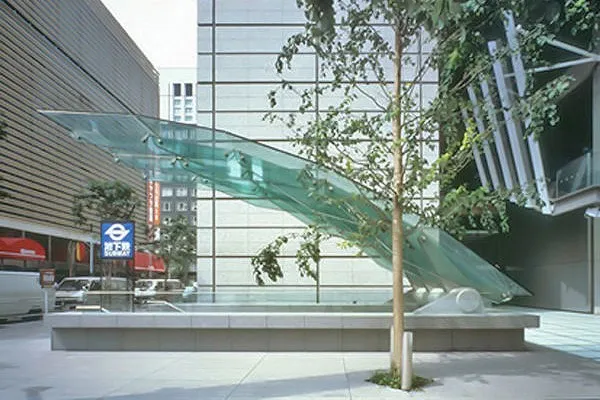
Not far from the Tokyo International Forum, among concrete skyscrapers and human flows, there is one architectural solution that can be called truly revolutionary. This is the glass canopy of the Yuracutyo Station, designed by Irish architect Tim McFarlane. At first glance, it seems simple: a transparent structure that seems to hang in the air. But behind this simplicity is a years-long struggle for an idea, technical challenges and bold engineering solutions.
The problem that became the beginning
When it came to reconstructing the entrance to Yurakutio Station, one of the conditions was to preserve the view from the windows of the Tokyo International Forum. The traditional canopy on metal racks simply did not fit the visual requirements. All 18 proposed designs were rejected by the customer.
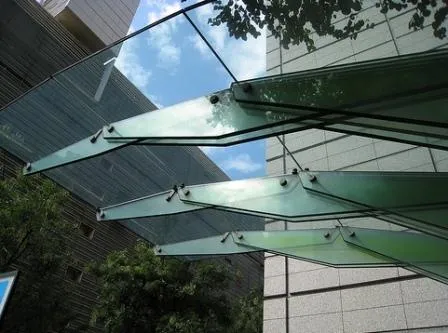
Then the architect proposed something fundamentally different — an all-glass visor that would not require metal support. The idea looked risky, because at that time there were no clear norms for calculating loads on large glass structures.
An idea that changed the approach
McFarlane designed a 10.6 m long visor held on glass cantilever beams. Each of them consisted of four interconnected glass panels. No glue — only special stainless steel bolted fasteners:
Tests that have proven effectiveness
Before the design was approved for implementation, Asahi Glass conducted a series of tests in London. It turned out:
During the first 4 years of operation, the visor survived two typhoons and an earthquake of 6 points — without damage.
Why is it relevant now
This project has become a landmark and landmark for architects around the world. He:
Inspired by the creation of transparent structures without unnecessary supports and frames.
A lesson for engineers and designers
If it seems to you that the task is impossible, look for a non-standard solution. Glass as a material can be much more than we are used to thinking.


.jpg)
.jpg)
.jpg)
.jpg)

.jpg)
.jpg)


