Glass Railings & Balustrades
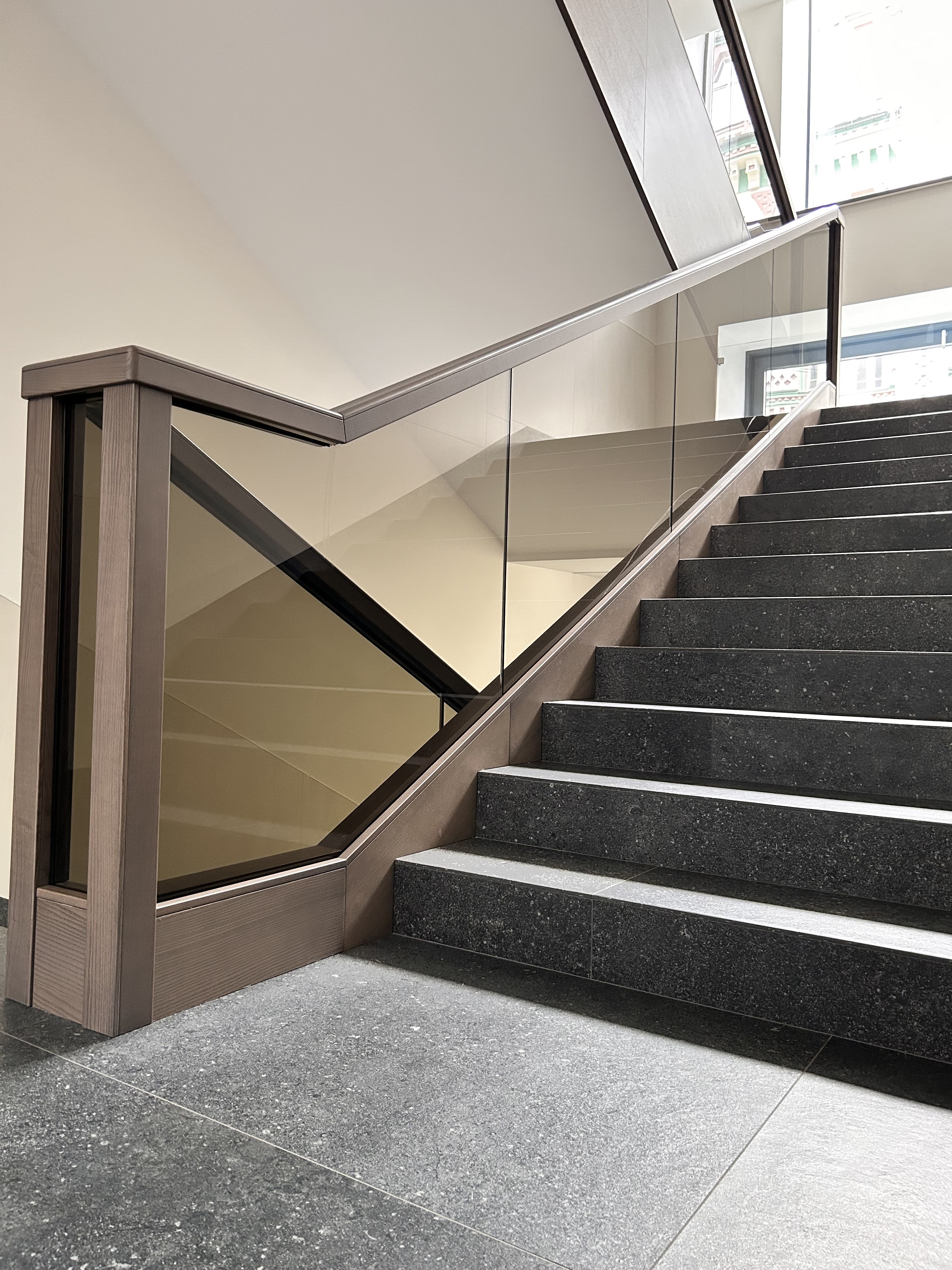
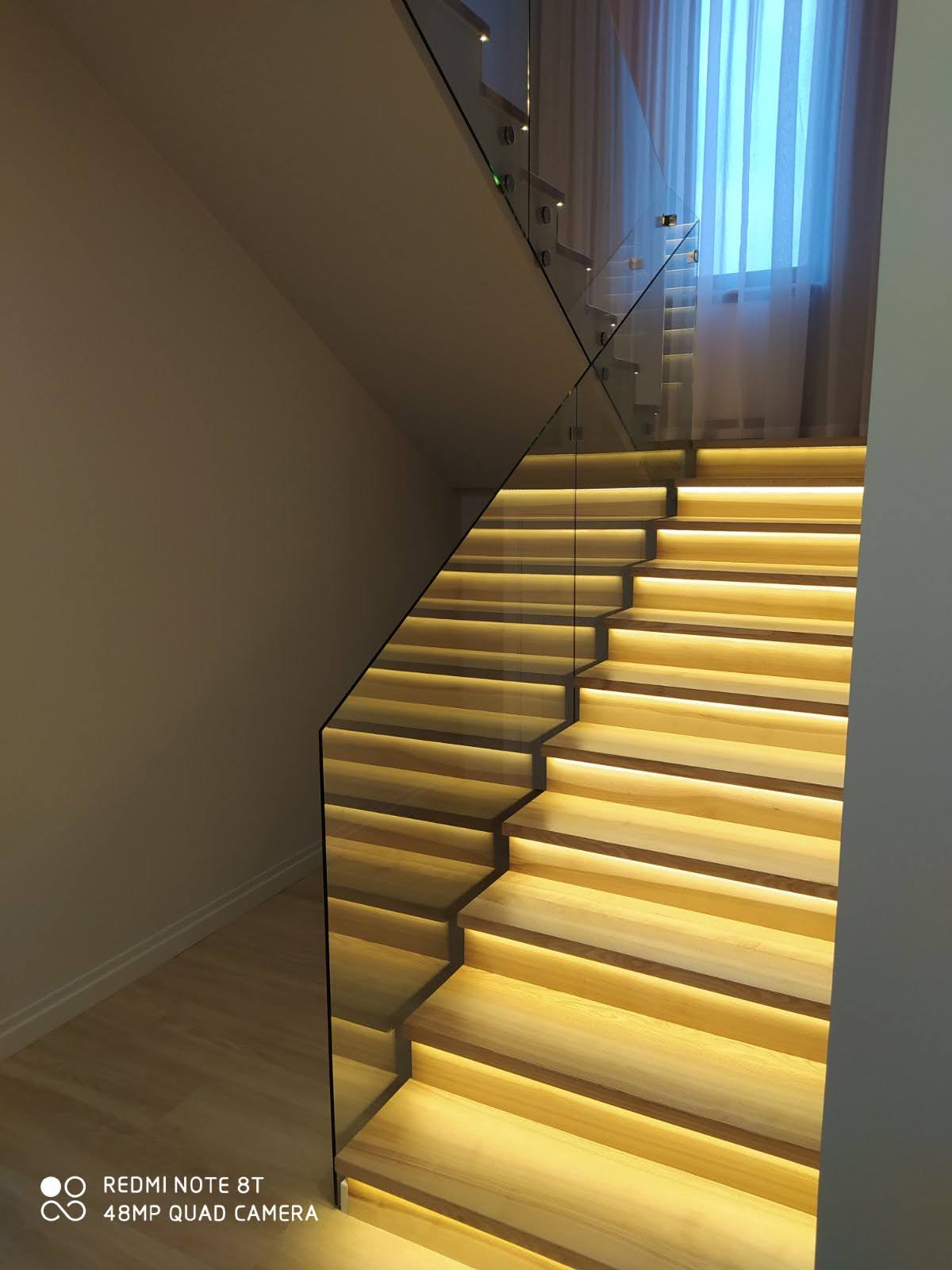
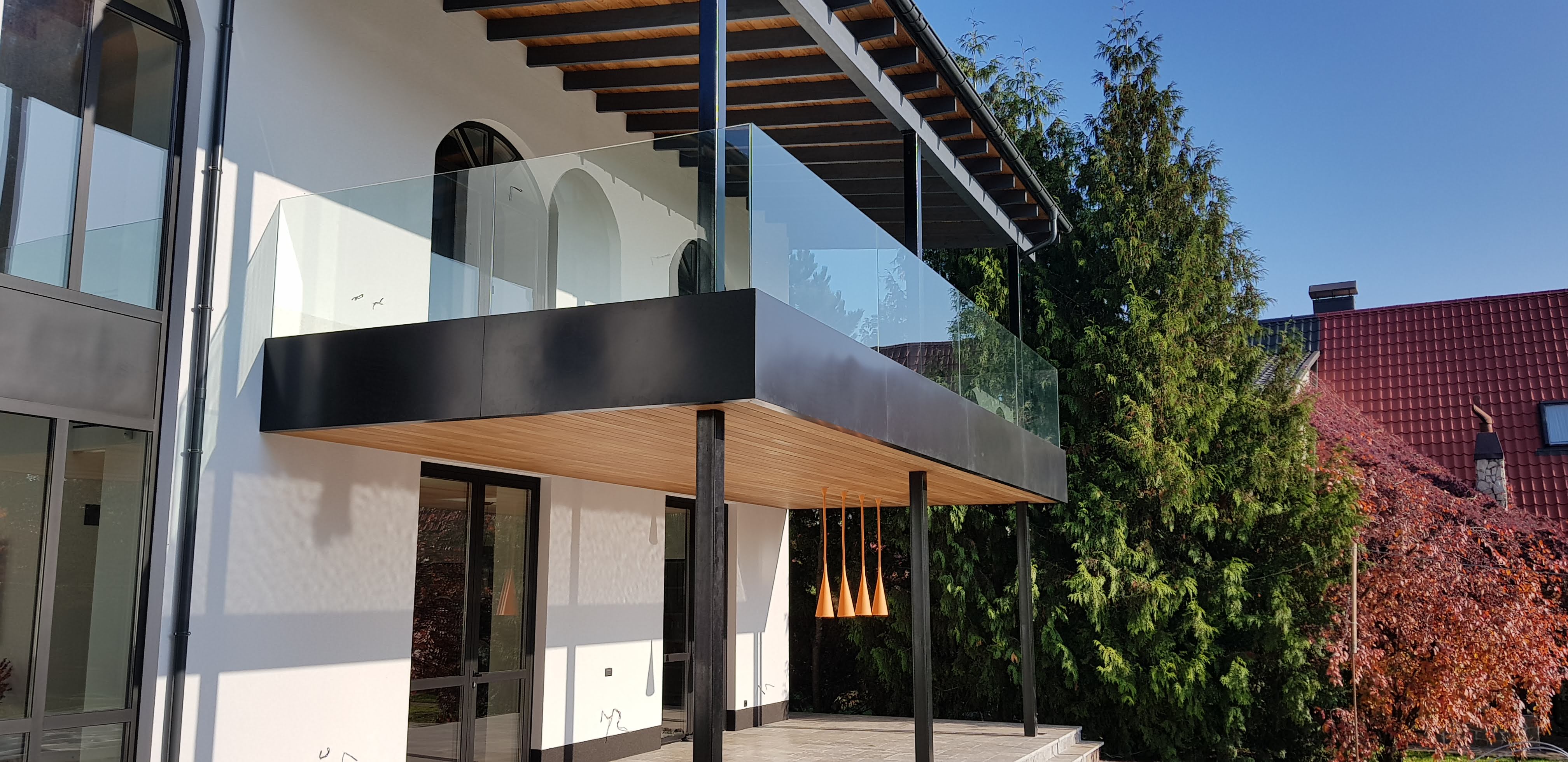
Elevate the safety and aesthetics of your space with our premium glass railing systems. Designed for stairs, balconies, and terraces, these structures offer an unobstructed view and a sense of infinite space. At Art Solution, we combine structural glass engineering with minimalist design to create secure, beautiful environments.
Mounting & Structural Options:
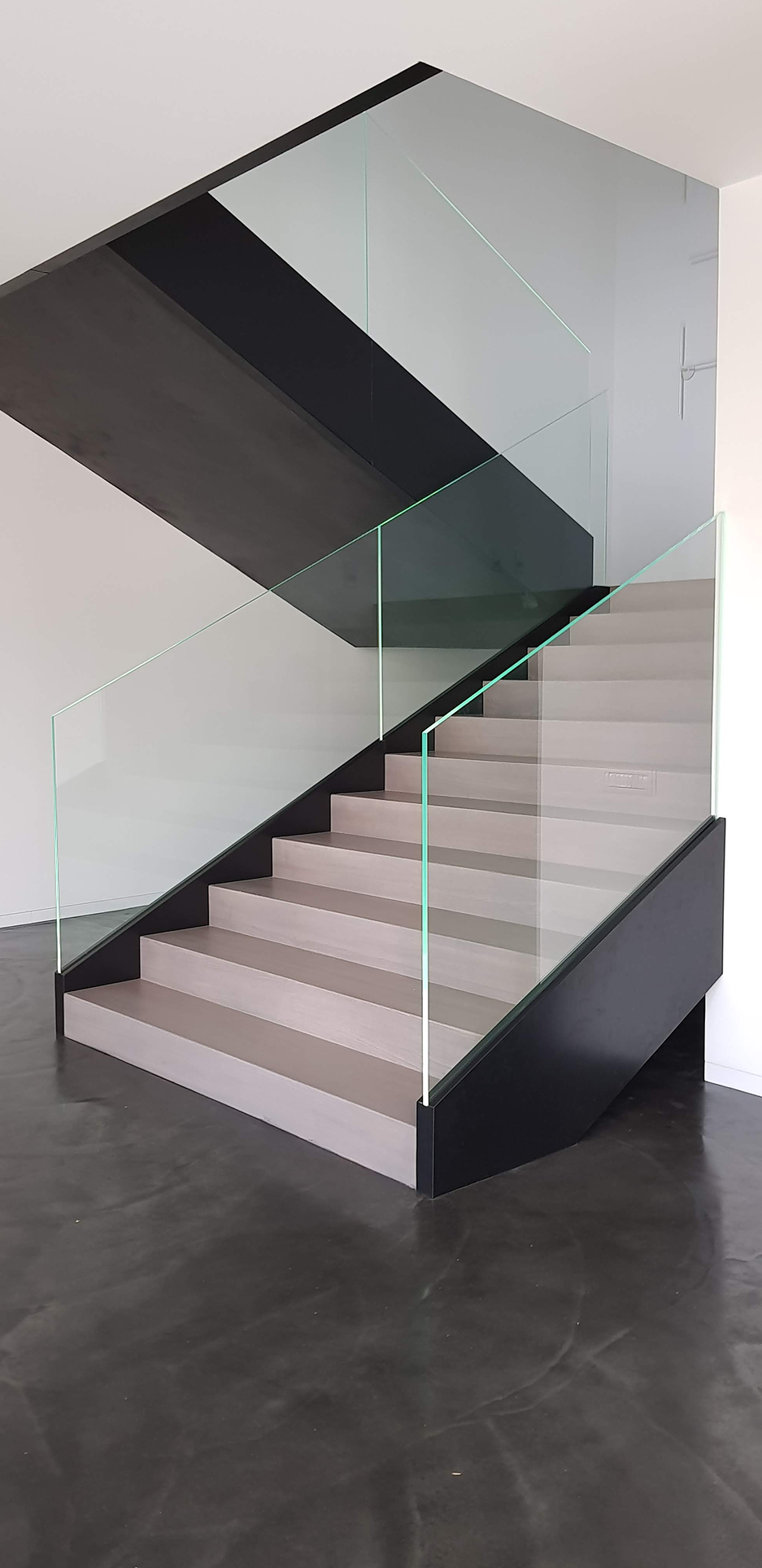
- Frameless Base Shoe Systems (U-Channel): For a clean, "all-glass" look, we utilize recessed or floor-mounted channels that create a seamless "glass from the floor" effect. This is the ultimate choice for modern, minimalist interiors.
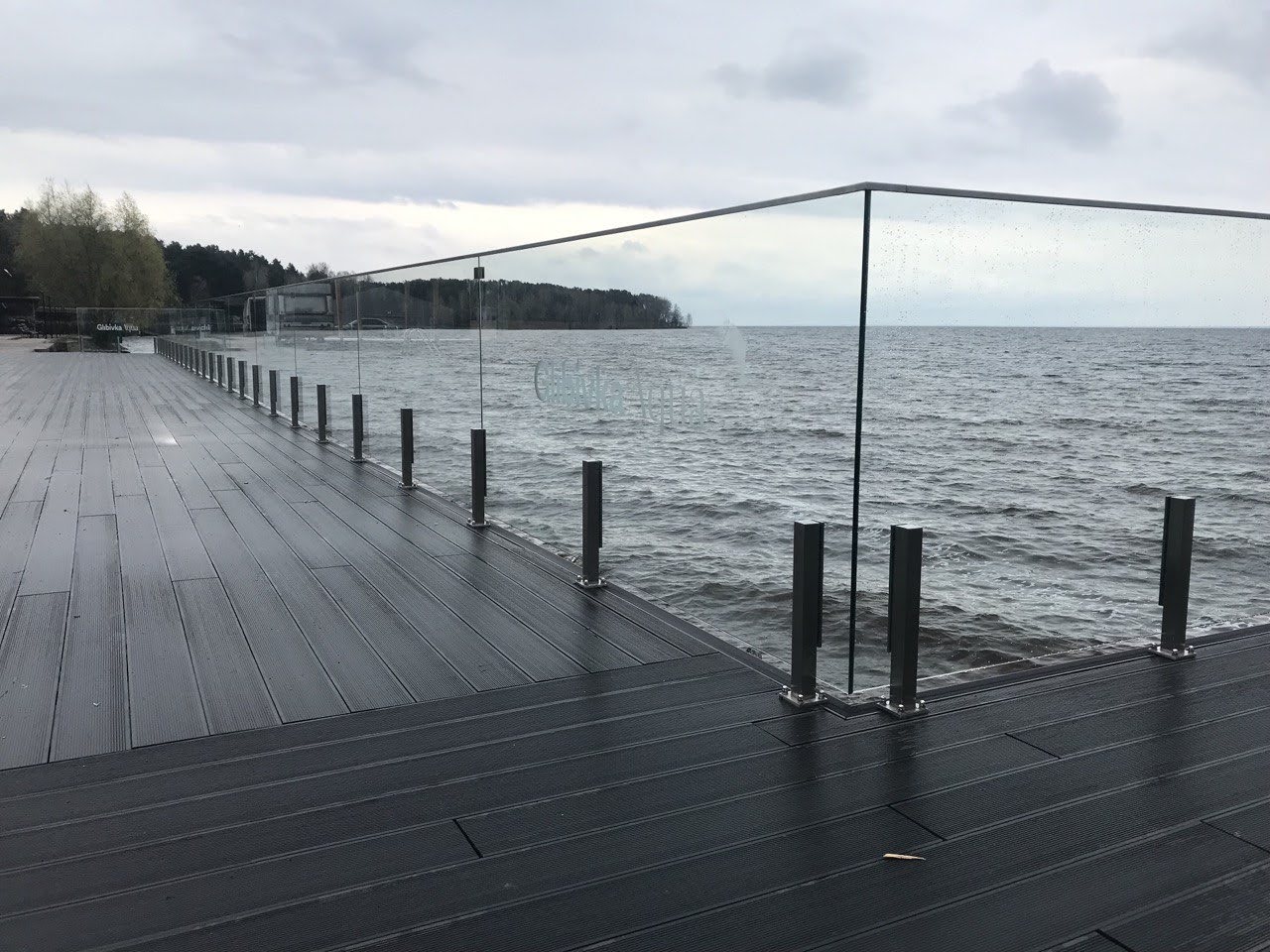
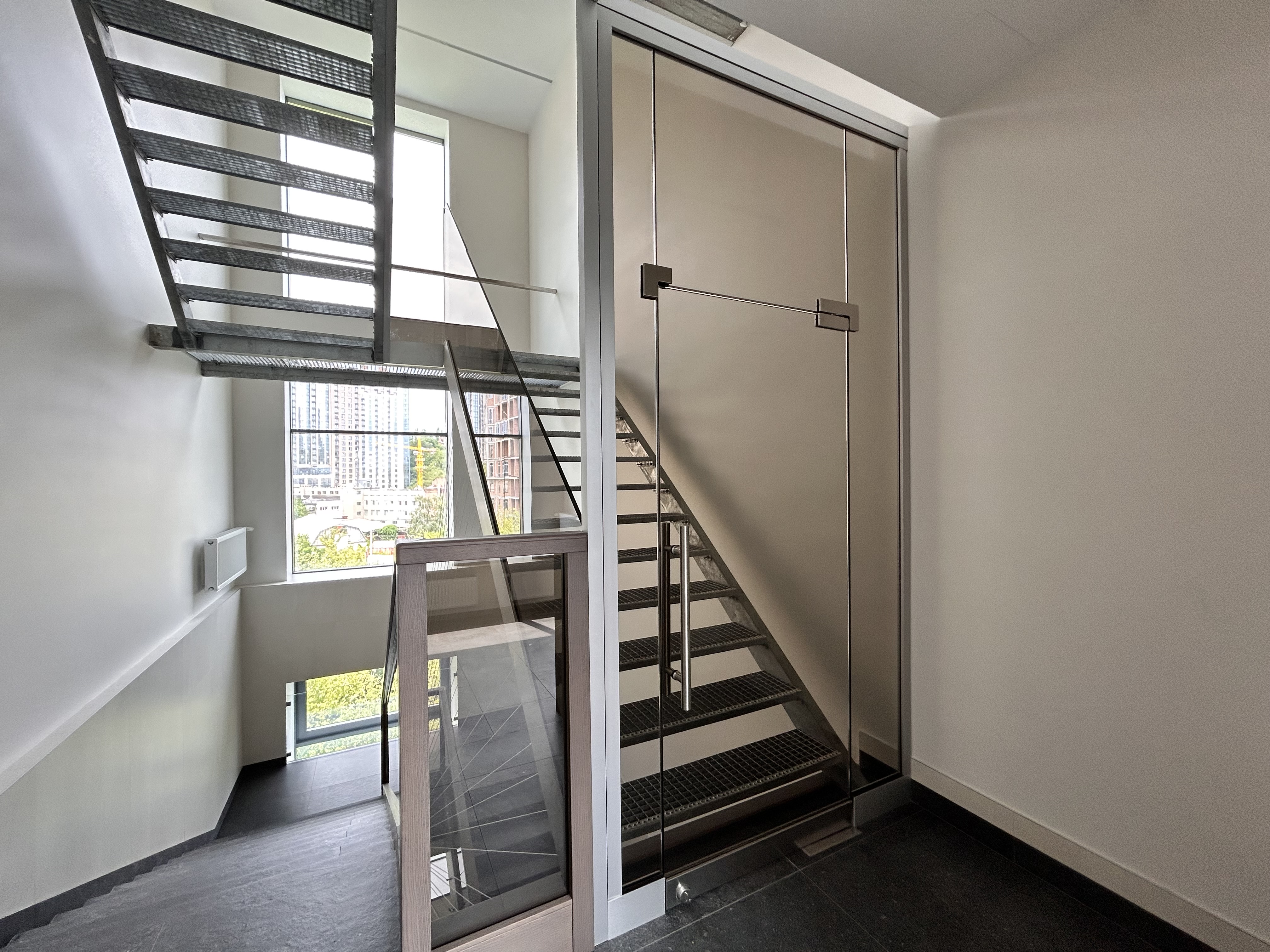
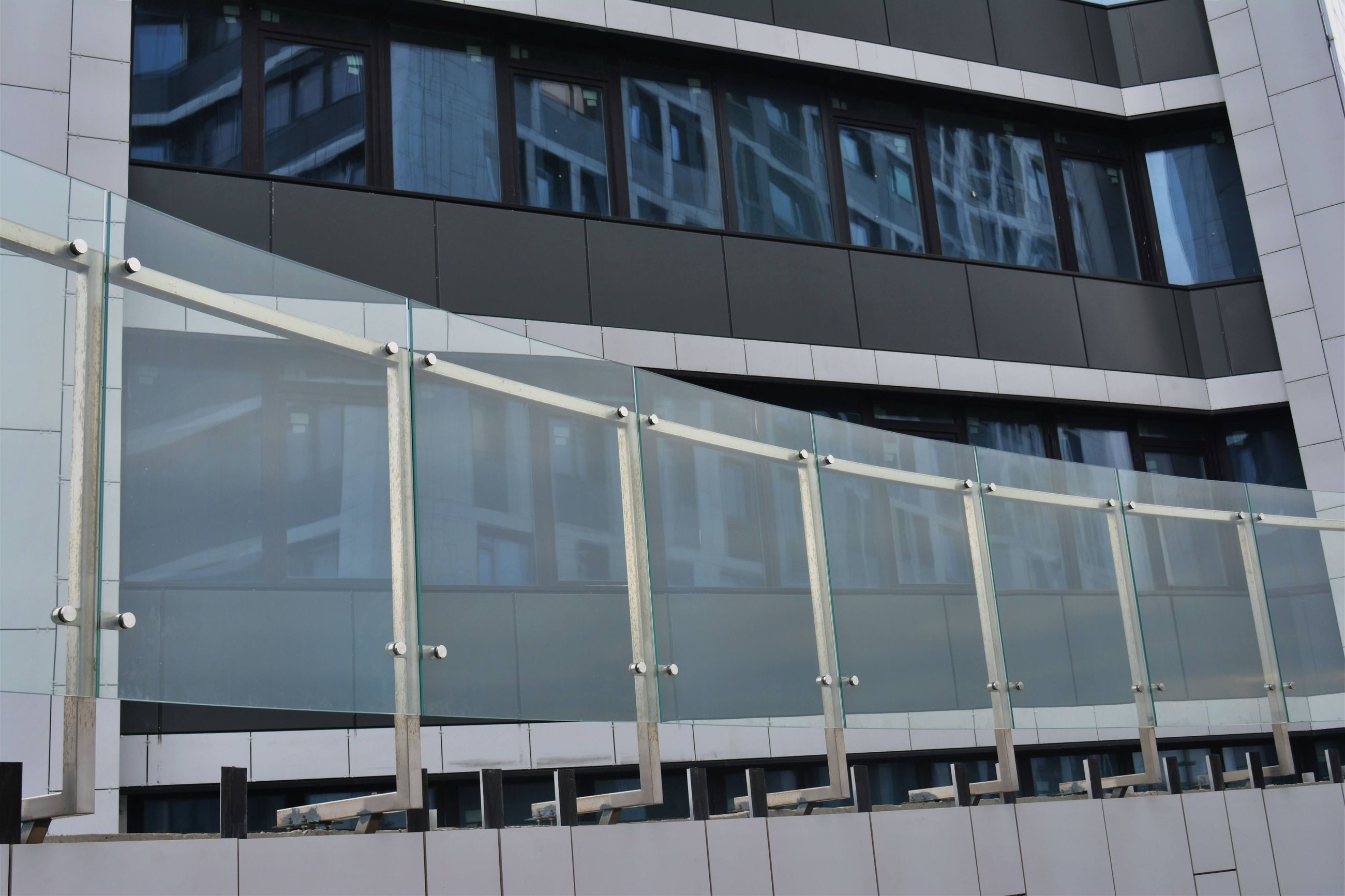
- Precision Post Systems: High-grade stainless steel or aluminum posts (balusters) provide a robust structural accent, available in various finishes to match your architectural hardware.
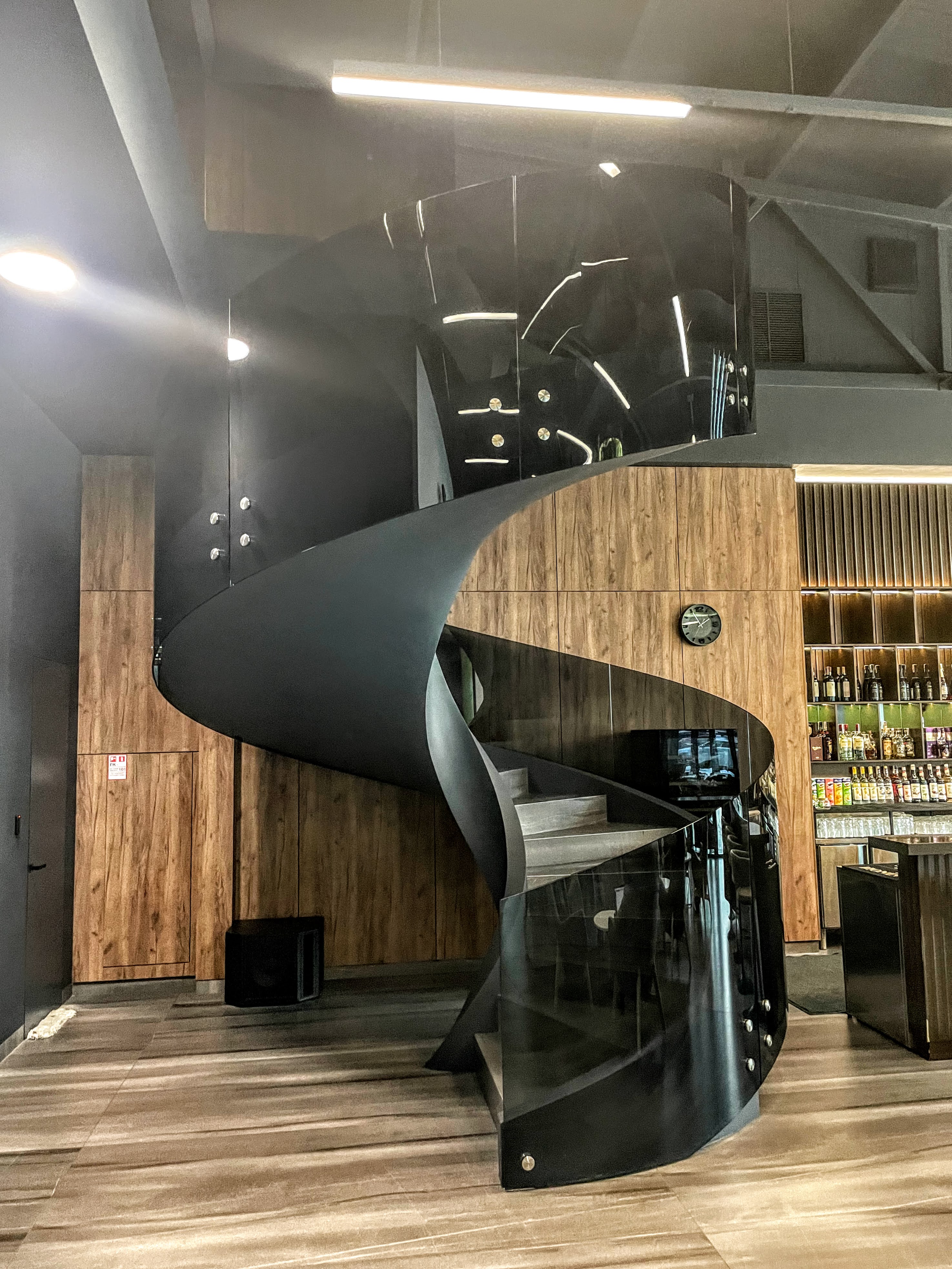
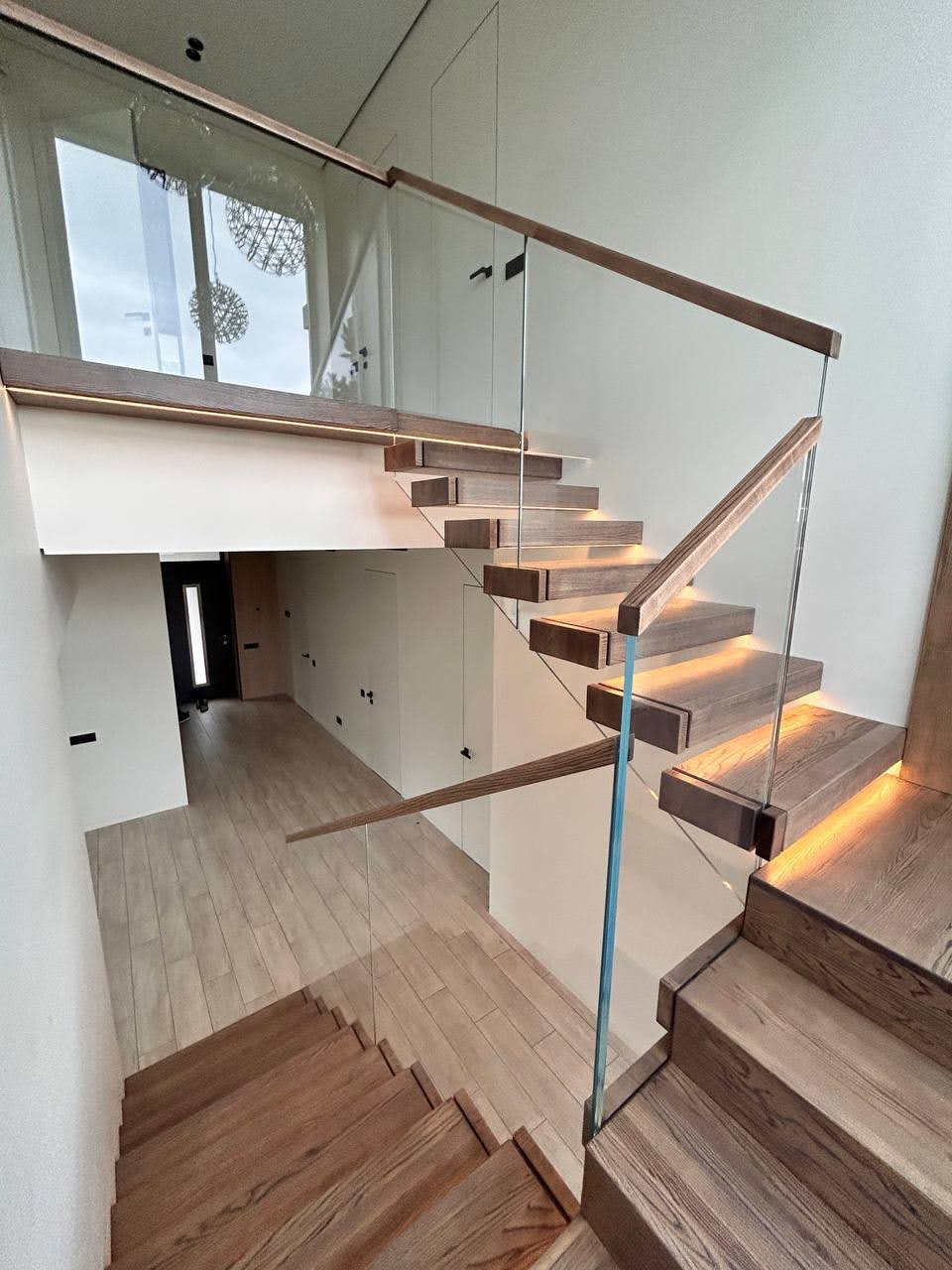
- Point-Supported (Standoff) Fixings: Minimalist stainless steel pins that secure the glass from the side of the stairs or floor slab, creating a sleek, floating aesthetic.
Safety & Materials:
- Engineered Laminated Glass (Triplex): Our railings utilize multi-layer laminated safety glass. In the highly unlikely event of a break, the interlayer holds the fragments in place, maintaining the barrier’s structural integrity.
- Bespoke Handrails: Complete your system with ergonomic handrails in stainless steel, anodized aluminum, or warm natural wood, mounted either on top of the glass or via elegant side brackets.
Key Advantages:
- Uninterrupted Views: Maximizes visual space and allows natural light to flow freely through the building.
- Weather & Corrosion Resistance: Unlike wood or iron, our glass and hardware are impervious to moisture, ensuring a lifetime of beauty without rust or decay.
- Low Maintenance: Precision-polished edges and high-quality coatings make cleaning effortless and keep the system looking pristine.

.svg)

.png)
.svg)
%20(1).jpg)


.jpg)


.jpg)
.jpg)
.jpg)
.jpg)

.jpg)
.jpg)


.svg)
.jpg)
.svg)


