How to Choose Shower Enclosure Glass: A Complete Guide to Safety, Thickness, and Maintenance
Розташування та інше
Complex of work:
Date done:
Choosing glass for a shower enclosure is a decision where safety comes first, and aesthetics are a pleasant bonus. Many people make the mistake of choosing based solely on appearance, but for a bathroom, the physical properties of the material are critically important.
In this article, we'll explain why tempered glass is the only correct standard and how a protective coating will save you hours of cleaning.
1. Glass Type: Why Only Tempered Glass?
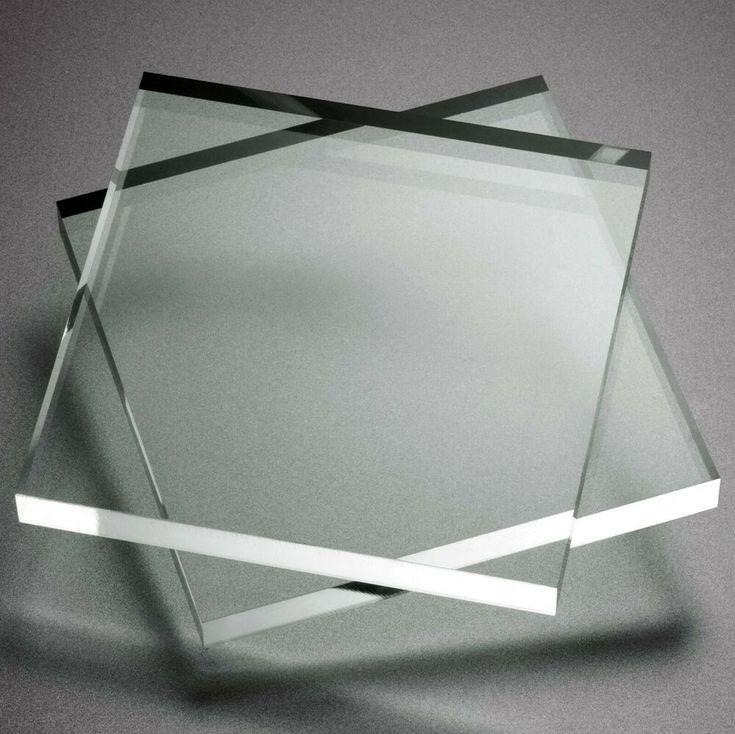
Using ordinary glass for shower enclosures is strictly forbidden. Only tempered glass, which has undergone thermal treatment at temperatures exceeding 600°C, meets safety standards.
Strength: It is 5–7 times more impact-resistant than ordinary glass.
Safety: If such glass breaks, it shatters into small, blunt-edged fragments that cannot cause deep cuts.
Thermal Resistance: Easily withstands sudden temperature changes from hot water.
2. Design Solutions: From Transparency to Privacy
Glass can radically change the perception of a bathroom's space:
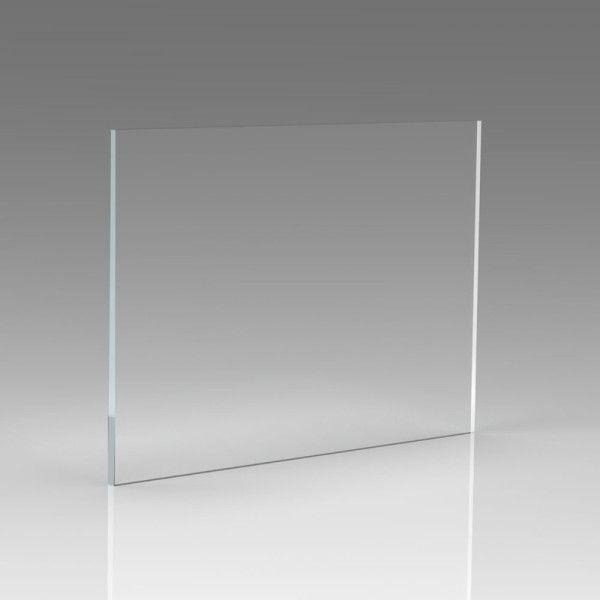
Extra Clear (Diamond): Glass without the characteristic greenish tint. Ideal for white interiors.
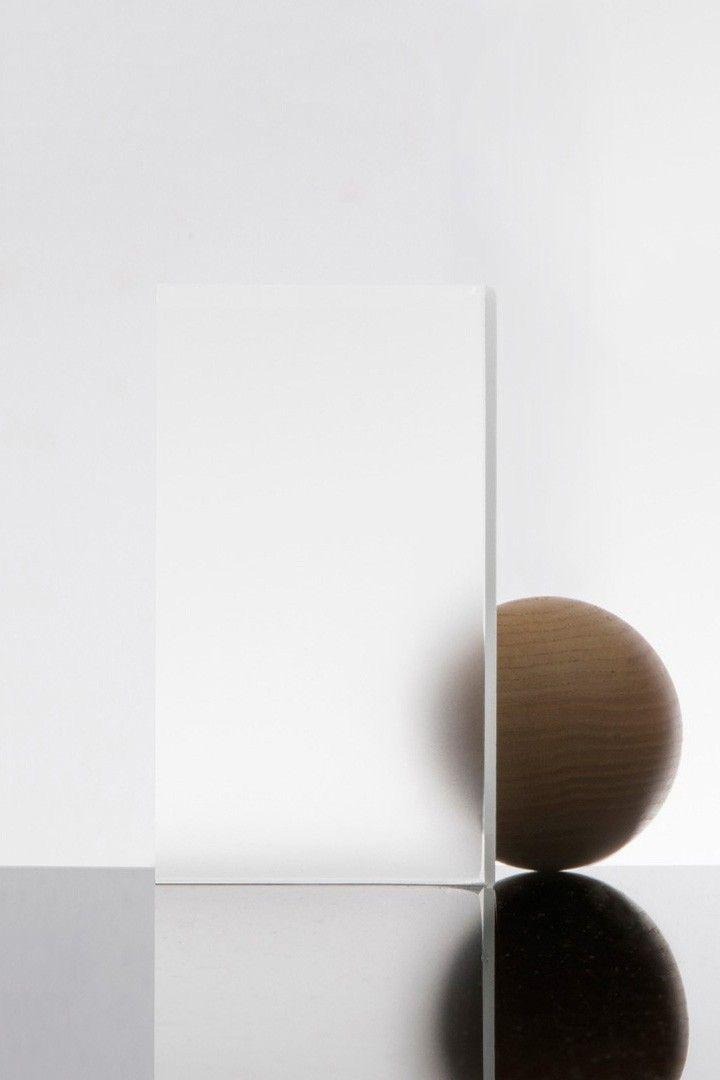
Frosted (Satin): Optimal for combined bathrooms, providing complete privacy.
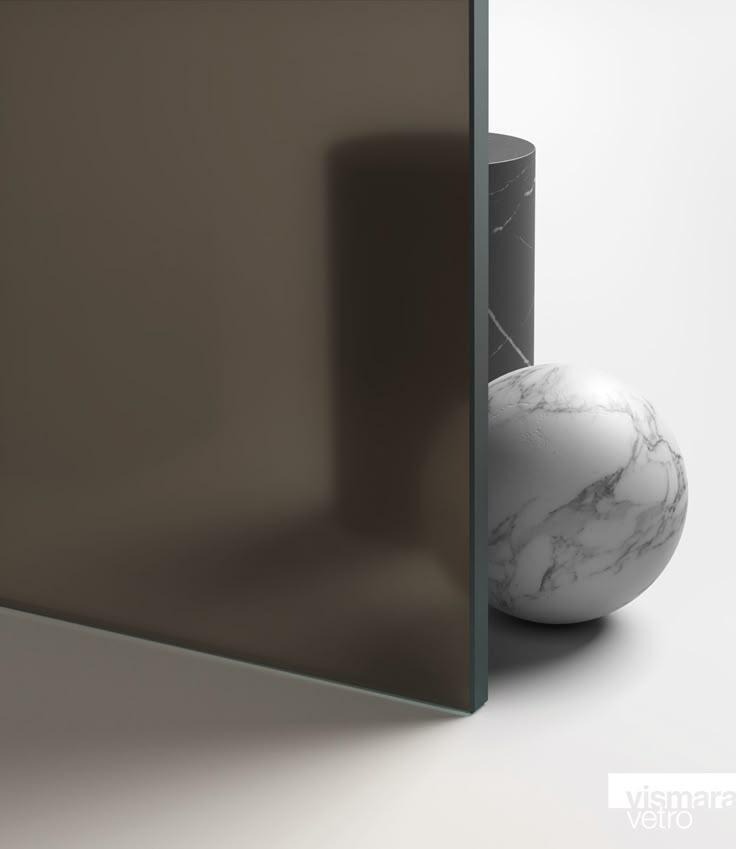
Tinted (Graphite/Bronze): A stylish solution for dark-toned or loft-style interiors.
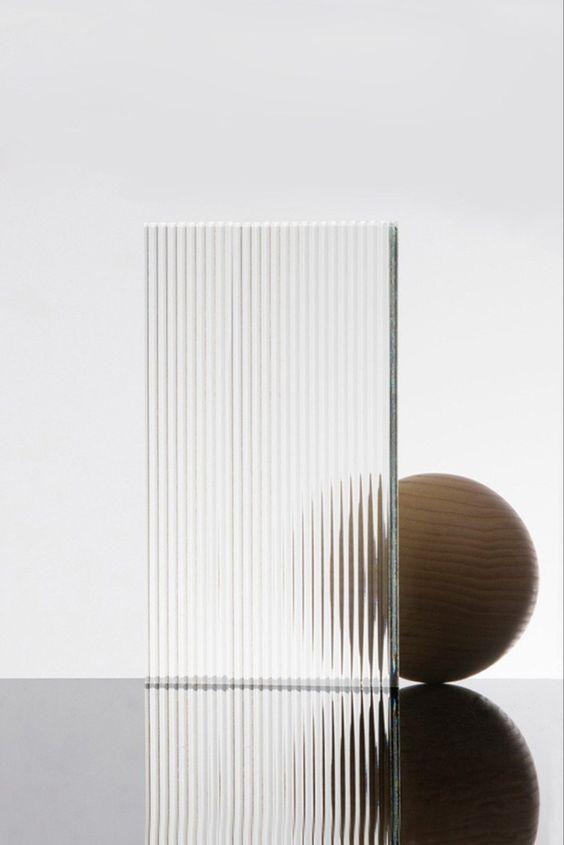
Fluted glass (Flutes): The leading trend for 2025-2026. Creates interesting light effects and conceals water droplets.
GlassLaminated glass (Laminated): Provides enhanced safety – it doesn't shatter when broken. It also opens up new design possibilities: colored films, patterns, fabrics, and other materials baked between two glass panes retain their appearance for decades.
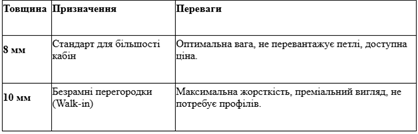
3. Optimal thickness: 8 mm or 10 mm?
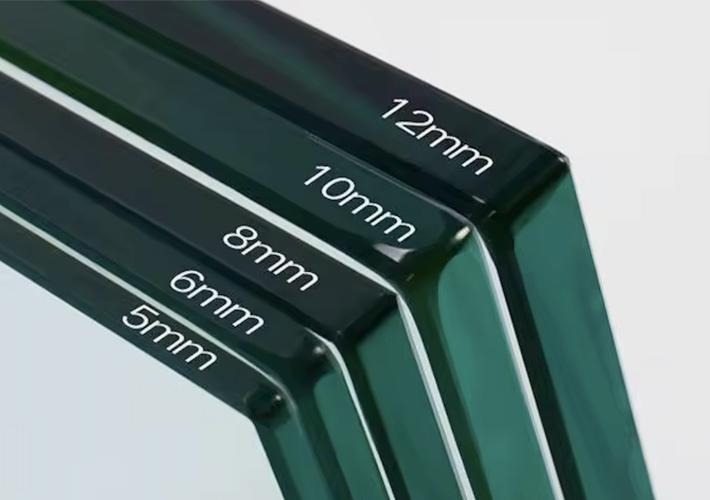
Glass thickness directly affects the reliability and cost of the structure.
Expert tip: For hinged glass doors, 8 mm is recommended to reduce wear on the hardware. For fixed partitions over 2100 mm high, choose 10 mm.
4. 'Anti-Drip' Protective Coating: Is it worth the extra cost?
The water in our taps contains salts and minerals. After drying, they leave a white residue (limescale) which, over time, etches into the glass surface.
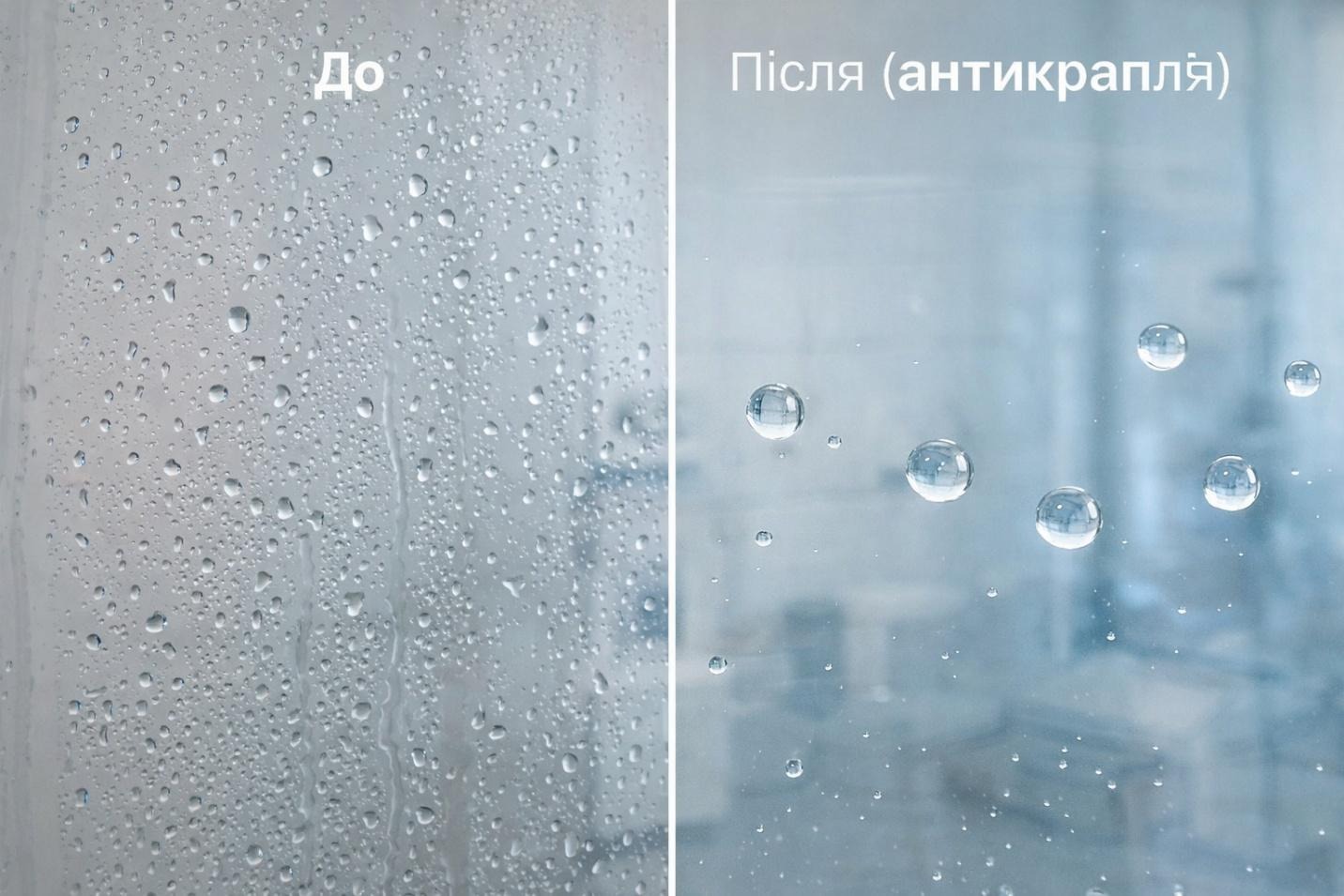
Hydrophobic coating (Anti-Plaque):
Lotus effect: Water collects into large droplets and instantly runs off, leaving no trace.
Dirt protection: Soap scum and grease do not accumulate on the surface.
Time savings: Coated glass needs to be cleaned 4–5 times less often than regular glass.
5. Hardware and Installation: Where Not to Skimp
Even the best glass won't perform without quality hardware.
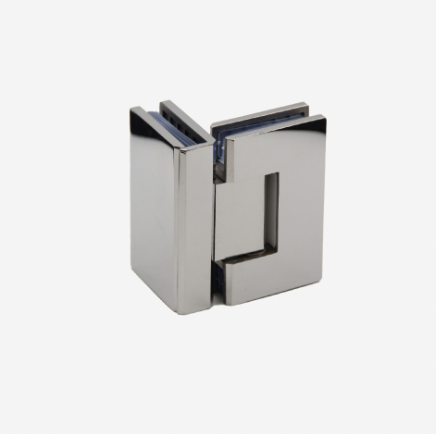
Hardware Material: Choose stainless steel or brass. Aluminum and silumin quickly fail in humid conditions.
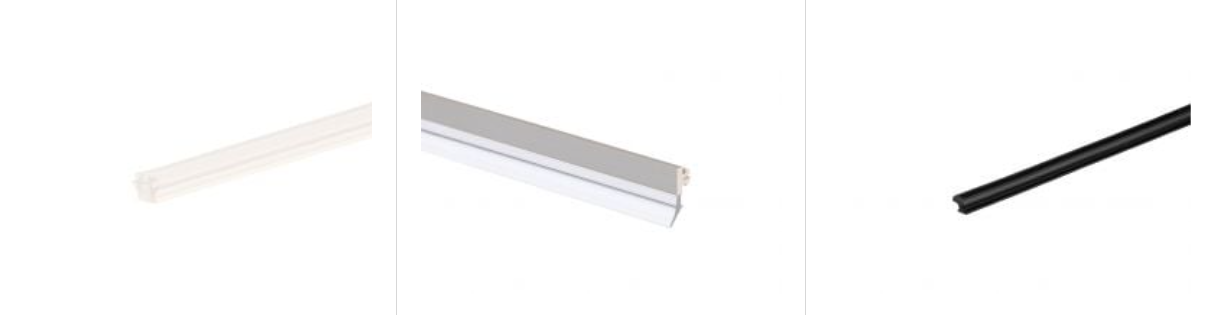
Seals: They should be silicone and fit tightly against the floor/tray for complete watertightness.
Measurement Accuracy: A glass enclosure cannot be 'trimmed' after tempering. Even a 2mm error can be critical.
FAQ: Quick Answers to Key Questions
Can tempered glass spontaneously shatter?
This happens extremely rarely (less than 0.1% of cases) due to internal stresses. To avoid this, choose glass that has passed the Heat Soak Test.
How to clean glass with a protective coating?
Use a soft cloth and non-abrasive cleaners. Harsh chemicals can damage the protective layer.
Conclusion
An ideal shower enclosure features 8–10 mm thick tempered glass with a hydrophobic coating, installed with reliable stainless steel hardware. This combination guarantees safety and a flawless bathroom appearance for 10+ years.


.svg)


.jpg)
.jpg)
.jpg)
.jpg)

.jpg)
.jpg)


