


.svg)
Designing glass structures for private residences in the UK requires a special approach. Here, architectural aesthetics meet strict climatic regulations and British quality standards.
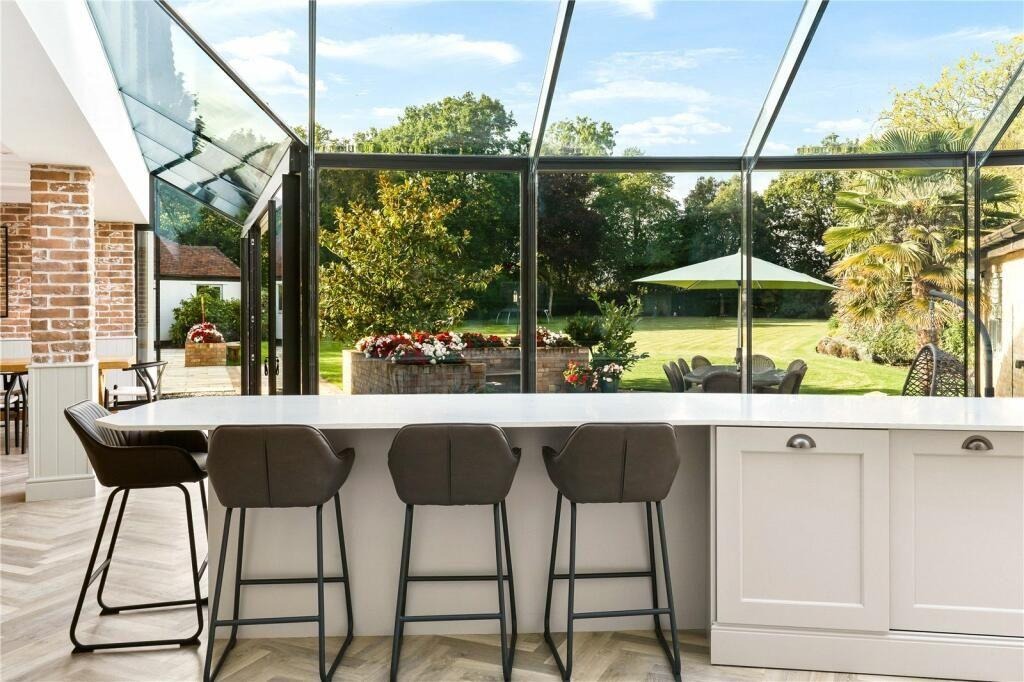
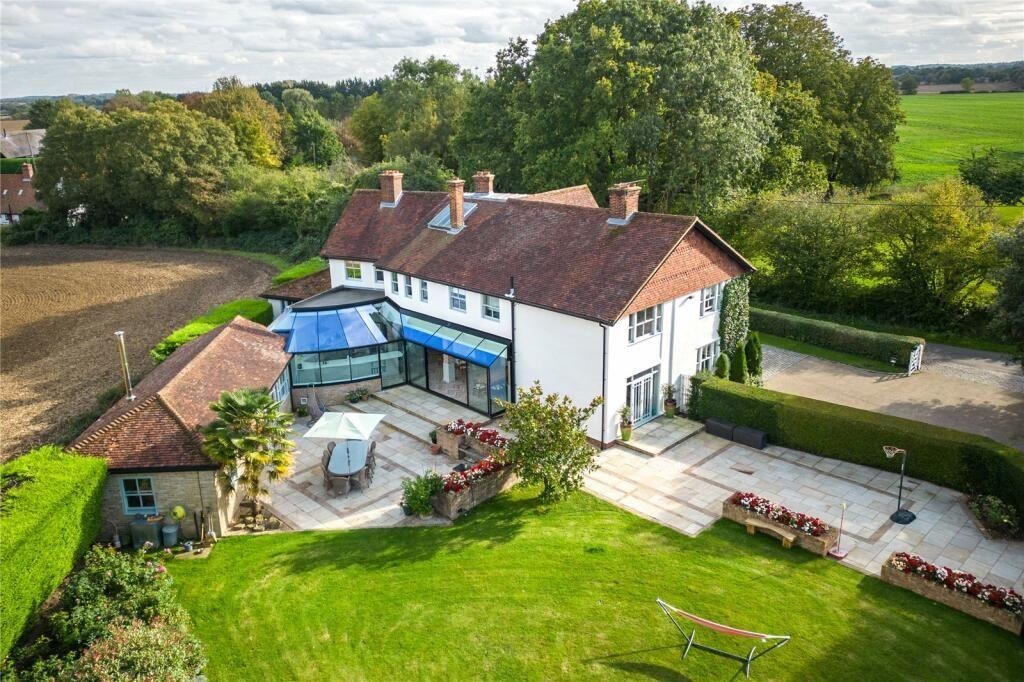
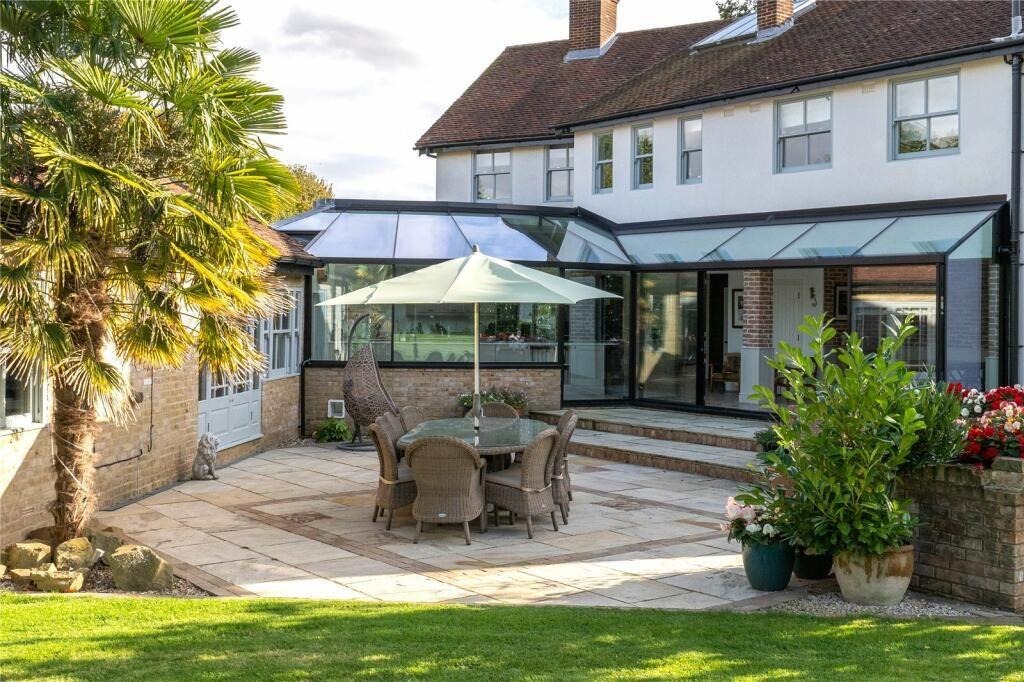
Our task was to create a glass canopy for a private home that would seamlessly extend the existing facade, despite the complex polygonal roof geometry.
The client wanted an area that was as open to light as possible, yet protected and warm. The main challenges we faced were:
For implementation, we chose the concept of "Warm Glass" — a combination of laminated glass with energy-efficient systems.
Key system components:
1. Digital measurements with millimeter accuracy
Traditional tape measures were not suitable for this project. We used a digital scanning system, which allowed us to create a 3D copy of the facade. This enabled us to account for every curve of the building and avoid errors during production.
2. BIM modeling and load analysis
Based on the measurements, a digital model was created. We performed simulations for:
3. Installation in confined spaces
For installing the glazing units in the UK, we used compact specialized equipment with vacuum lifters. This allowed for delicate installation without damaging the landscape design and the existing facade of the house.
Thanks to engineering precision, the residence owner received:
Does the space under a glass canopy overheat in summer? We use glass with a multifunctional coating. It blocks excessive solar heat (IR rays) in summer but retains warmth indoors in winter.
How is glass cleaning handled? For such projects, we recommend self-cleaning glass (Self-cleaning glass) with a special coating that breaks down organic dirt under sunlight, and rain simply washes it away.
This case proves: international projects require not just installers, but deep engineering expertise. The use of 3D measurements and custom connection nodes — the only way to create durable glass structures with complex geometry.


.jpg)
.jpg)
.jpg)
.jpg)

.jpg)
.jpg)


